Enhance Tenant Security with Smart Locks - Effective Property Management Strategies


The Evolution of Tenant Security
In today's fast-paced technological landscape, property management is undergoing a profound transformation, especially regarding tenant security. Traditional locks and keys are becoming obsolete as property owners seek efficient ways to enhance safety and improve the overall tenant experience. One of the most promising solutions on the market is implementing smart locks for tenant security. These innovative devices not only streamline access but also enhance property management strategies, ensuring that both landlords and tenants are satisfied and secure.
Understanding Smart Locks
What Are Smart Locks?
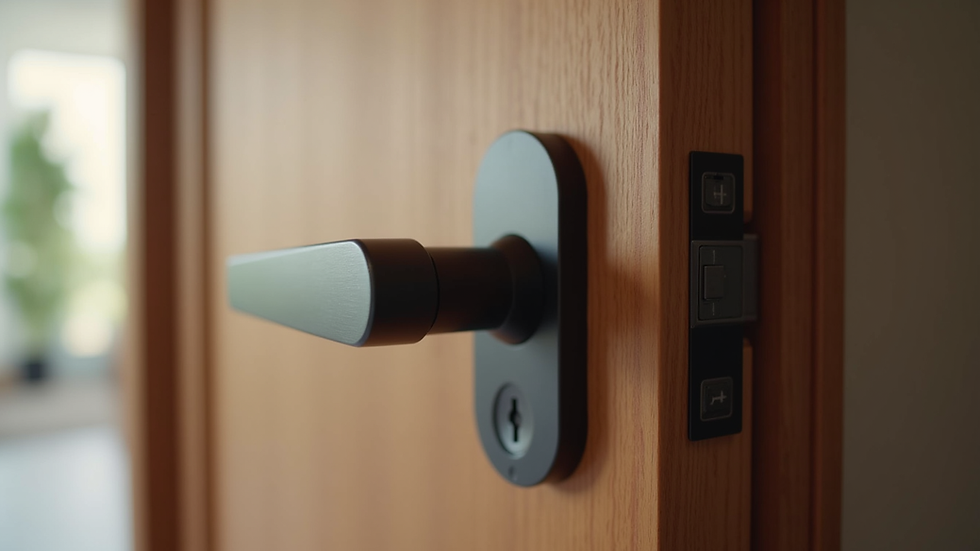
Smart locks are electronic locking mechanisms that allow users to lock and unlock doors via smartphone apps, keypads, or biometric recognition. Unlike traditional locks, which rely solely on physical keys, smart locks offer multiple access methods, including remote access and programmable entry codes. This technological advancement provides enhanced convenience and security for tenants and property managers alike.
Benefits of Smart Locks for Tenant Security
Implementing smart locks for tenant security offers numerous advantages:
Improved Access Control: Property managers can assign temporary access codes for maintenance workers or guests without needing physical keys.
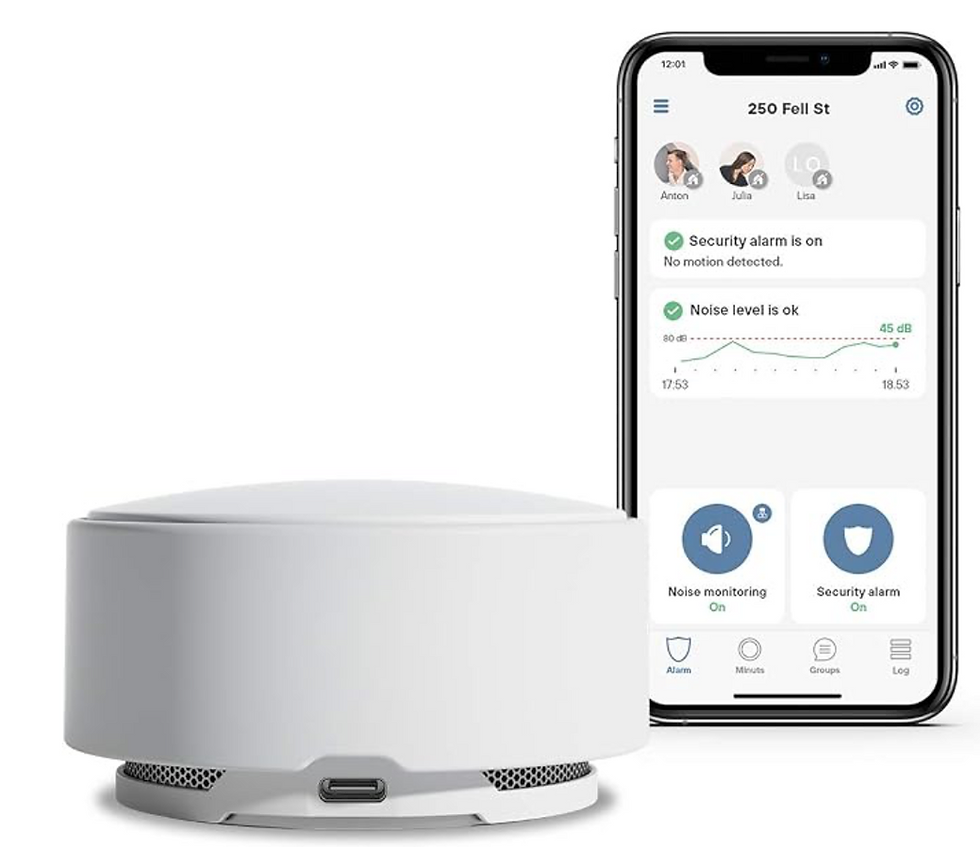
Remote Monitoring: Many smart locks come with tracking features that allow landlords to monitor who enters and exits the building in real-time.
Increased Security: Smart locks are often more difficult to compromise than traditional locks.
Convenience: Remote locking and unlocking capabilities mean tenants never have to worry about losing their keys.
Integration with Smart Home Systems & Rental Booking Platforms: Smart locks can integrate with other smart devices, enhancing overall home security and automation. In addition, the increase efficiency and reduce manual work when in synch with your rental booking platform.
These benefits not only improve the security of the property but also contribute to effective property management strategies.
Implementing Smart Locks in Property Management
Choosing the Right Smart Lock
When considering implementing smart locks for tenant security, selecting the correct type for your property is crucial. Factors to consider include:
Compatibility: Ensure the lock is compatible with your existing door hardware and any smart home systems.
Technology: Consider the locking mechanism and how it will operate within your property.
User Interface: A user-friendly app or keypad interface allows tenants to navigate the lock's features easily.
Durability and Weather Resistance: Invest in locks designed to withstand your local weather conditions, especially if installed outdoors.
Installing and Managing Smart Locks
Once you have selected the appropriate smart locks, the next step is proper installation and management. Engage licensed professionals who understand the technology and installation requirements to ensure seamless integration.
Network Security: Secure your Wi-Fi network to prevent unauthorized access. Utilize strong passwords and consider employing a dedicated network for smart devices.
Regular Updates: Frequently check for software updates from the manufacturer to maintain optimal security and performance.
Addressing Common Concerns
While the benefits of smart locks are compelling, property managers often face challenges in their implementation. Addressing common concerns is essential for successful integration and maximizing tenant security.
Privacy and Data Security
Tenants may worry about how their personal data is used and stored. Property managers should be transparent about data protection measures, ensuring compliance with privacy laws and regulations. Use smart locks with strong encryption methods to protect personal information and reassure tenants that their data is securely stored.
Reliability and Power Supply
Concerns about technology failures impacting tenant access are valid. Ensure that your chosen smart locks have backup systems in case of power outages or internet failures. Many smart locks come with physical key options that allow users to enter if they face technical challenges, providing a fail-safe measure.
Real-Life Applications of Smart Locks
Successful integrations of smart locks in property management are visible in several case studies. For instance, residential complexes and multi-family units across urban centers have seen a significant turnaround in tenant satisfaction and security.
One notable example involves a property management company that switched to smart locks in their rental units. After implementation, they reported a 20% decrease in tenant-reported security issues within the first year. Furthermore, tenants appreciated the convenience, with over 85% indicating they felt safer living in a property equipped with smart access technology.
Frequently Asked Questions
How do smart locks enhance tenant security?
Smart locks enhance tenant security by providing advanced access control features, such as remote locking, temporary access codes, and real-time monitoring of who enters the property. This multi-faceted approach significantly reduces the risk of unauthorized access compared to traditional locks.
Are smart locks reliable?
Yes, smart locks are generally reliable; however, it's essential to choose a high-quality product with a robust backup system. Most smart locks come with backup access options, like physical keys, to ensure tenants can always enter their homes.
What if a tenant forgets their access code?
In such cases, property managers can reset or provide a temporary access code through the locking system’s app.
Do smart locks require an internet connection to work?
While most smart locks operate over Wi-Fi, some models can function without a continuous internet connection. They may allow local control via a smartphone app or keypad input.
How do I choose the best smart lock for my property?
Choose a smart lock by assessing its compatibility with your door, technology features, durability, user interface, and security measures. Consider tenant feedback and total cost of ownership versus traditional lock systems.
In conclusion, implementing smart locks for tenant security is a forward-thinking strategy that modern property managers should embrace. By improving access control, enhancing security measures, and prioritizing tenant convenience, smart locks represent a significant advancement in property management strategies. As technology continues to evolve, so too should approaches to security, ensuring that tenants feel safe, secure, and satisfied in their homes.
Comments